



Following a period of stabilization, logistics expenditures are trending upward once again in 2026, exerting significant pressure on Vietnamese exporters. Within a highly open economy-where total trade turnover is approaching the $1 trillion milestone—any volatility in logistics costs directly compromises the global competitiveness of Vietnamese commodities.
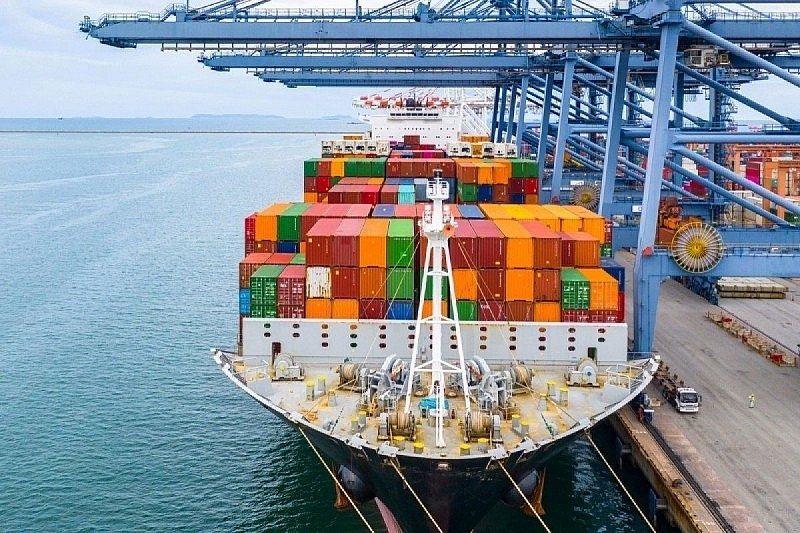
New challenges emerge for exporters as logistics costs resurge. Illustrative photo.
Beyond mere transportation expenses, modern logistics represents a complex ecosystem encompassing freight, warehousing, distribution, customs formalities, and supply chain management. Should costs escalate within any single segment, the integrity of the entire value chain is invariably impacted.
External Pressures: Supply Chain Volatility and Freight Expenditures
A primary catalyst behind the resurgence of logistics costs is the inherent instability of global supply chains. Factors such as geopolitical friction, transit disruptions, fuel price fluctuations, and the rerouting of shipping lanes have collectively driven international freight rates upward.
International organizations, including the International Monetary Fund (IMF) and the Organisation for Economic Co-operation and Development (OECD), share the consensus that the global economy in 2026 remains vulnerable to supply chain fragmentation. This compels enterprises to recalibrate their logistics strategies while absorbing higher costs to ensure operational continuity.
For Vietnam, an economy heavily reliant on exports, these impacts are particularly pronounced. Sectors such as textiles, footwear, and seafood-industries characterized by thin profit margins-are directly penalized by surging shipping costs.
According to World Bank (WB) data, logistics costs in Vietnam currently account for approximately 16%-20% of GDP, significantly exceeding the 10%-12% observed in many advanced economies. While this indicates substantial room for optimization, it also reflects the economy’s acute sensitivity to cost fluctuations. In its Connecting to Compete 2023 report, the WB remarked: “High logistics costs continue to pose a formidable barrier to the trade competitiveness of developing economies.”
From a corporate perspective, the Vietnam Chamber of Commerce and Industry (VCCI) noted in its 2024 report: “Volatility in international freight rates and associated surcharges remain the paramount concern for exporting enterprises.”
Furthermore, the rise of “hidden costs” in logistics-such as demurrage and detention fees, late delivery penalties, and expenses arising from port congestion-is noteworthy. These factors not only inflate expenditures but also jeopardize the reputation and punctuality of businesses.
Internal Bottlenecks: Infrastructure, Costs, and Corporate Capacity
Beyond international variables, high logistics costs in Vietnam are also rooted in domestic structural limitations.
Foremost is the lack of synchronized transport and logistics infrastructure. Road transport continues to command a disproportionate share of the modal split, while lower-cost alternatives such as inland waterways and railways remain underutilized. This inflates inland drayage costs, particularly for cargo moving from production hubs to seaports.
Additionally, fragmented connectivity between transport modes exacerbates transshipment costs. Many enterprises must navigate multi-stage transport routes at costs significantly higher than those in nations with advanced logistics ecosystems.
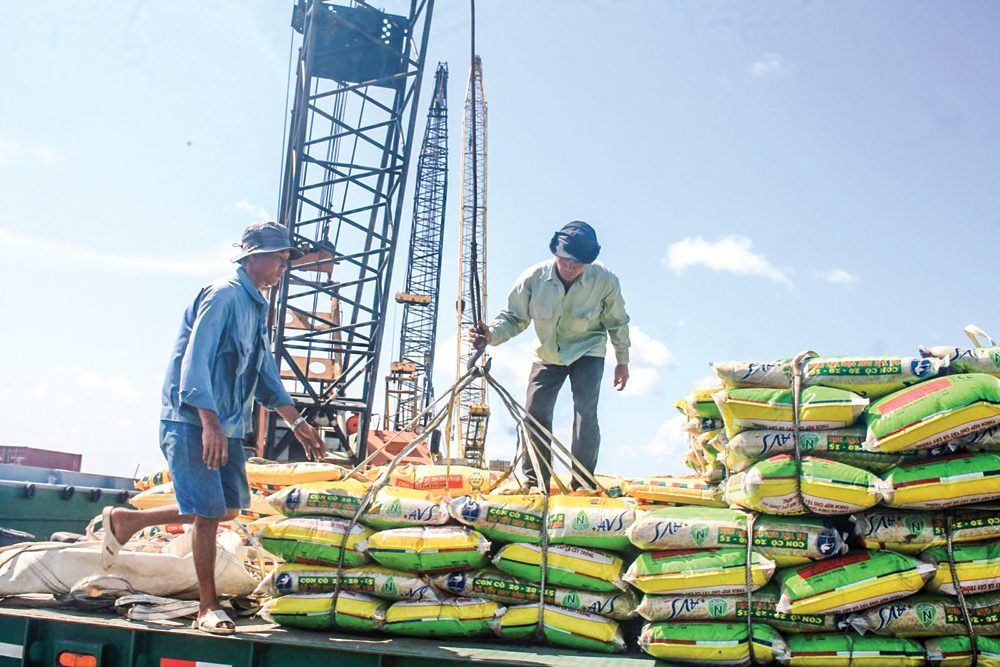
The majority of domestic logistics firms operate on a small scale, lacking the capital and technological prowess required for effective supply chain optimization. Illustrative photo.
According to the Vietnam Logistics Business Association (VLA), the logistics market has reached a valuation of approximately $40-$45 billion, with an annual growth rate of 14%-16%. However, the domestic sector is dominated by small-scale firms lacking the capital and technological prowess necessary for supply chain optimization. In a recent assessment, the VCCI observed that many Small and Medium Enterprises (SMEs) lack the capacity to optimize their supply chains, resulting in logistics costs that exceed the national average.
Administrative formalities and customs clearance times present further obstacles. Despite incremental improvements, the time and cost associated with import-export procedures in Vietnam remain high compared to regional peers.
As major export markets in Europe and North America tighten environmental standards and traceability requirements, enterprises must also confront the necessity of transitioning to Green Logistics. While this shift may inflate costs in the short term, it is an indispensable trend for maintaining long-term competitiveness.
Strategically, WB experts suggest that Vietnam must accelerate infrastructure investment, develop multimodal logistics, and catalyze digital transformation in supply chain management to reduce expenditures.
For enterprises, the solution involves more than mere cost-cutting; it requires a strategic restructuring of supply chains toward greater agility and sustainability-from market diversification and transport optimization to strengthening alliances with logistics partners. In the context of resurging logistics costs, this is not merely an immediate hurdle but a litmus test for the adaptive capacity and value-chain sophistication of Vietnamese exporters.
Source: https://vneconomy.vn/chi-phi-logistics-tang-tro-lai-thach-thuc-moi-voi-doanh-nghiep-xuat-khau.htm